
Engineering
Mechanical, electrical, civil, and structural engineers are crucial for designing, constructing, and maintaining offshore wind farms.
Pathways
Suggested career pathways within this role.
-
 Civil EngineerA civil engineer undertakes research and design, direct construction and management of the operation and maintenance of the onshore and offshore infrastructure associated with an offshore wind farm. They aid with the design studies and prepare technical specifications for onshore structures such as foundations, access roads and substations. They design and specify offshore foundations, substations and marine infrastructure
-
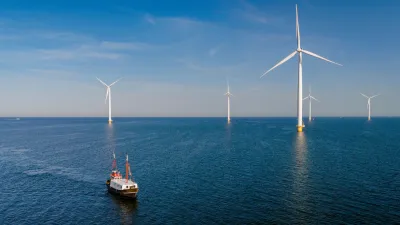 Telecommunications TechnicianA communications network technician is responsible for installing, maintaining and repairing communication systems used in offshore wind farms, including fibre optic, radio and network systems.
-
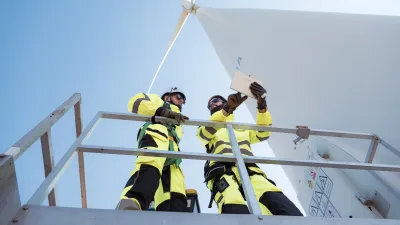 Electrical EngineerAn electrical engineer’s responsibility is to design and maintain electrical systems on offshore platforms and vessels. They will produce circuit diagrams of the site during the development and project management phases of an offshore wind farm. They will also lead installation of the system ensuring it meets safety regulations.
-
Geotechnical EngineerA geotechnical engineer is responsible for analysing seabed conditions to inform the design and installation of offshore wind structures.
-
 GIS TechnicianA GIS technician is responsible for using Geographic Information Systems (GIS) to store, analyse and manage data. For offshore wind development this could include using data gathered from field surveys at the offshore site to create maps and other graphics of this data to advise the developer of the project.
-
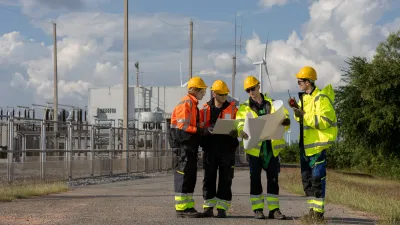 Grid Package ManagerA grid package manager is responsible for overseeing the grid connection of the offshore wind farm. They work with the appropriate private and governmental organisations (such as EirGrid) to ensure compliance with grid regulations, co-ordinate the relevant desktop studies and surveys for the grid routing (onshore and offshore) and input to other key elements of the development including substation and landfall.
-
Control & Instrumentation EngineerA control and Instrumentation engineer is responsible for designing and maintaining control systems used in offshore wind operations.
-
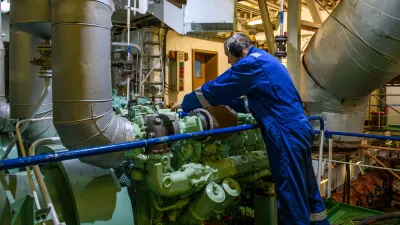 Marine EngineerA marine engineer is responsible for the operation, maintenance and repair of vessel systems, including propulsion and mechanical systems used in offshore wind operations.
-
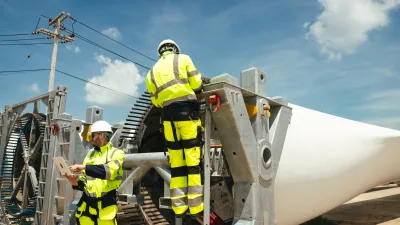 Mechanical EngineerA mechanical engineer is responsible for the design, development and maintenance of mechanical systems used in offshore wind turbines and associated infrastructure.
-
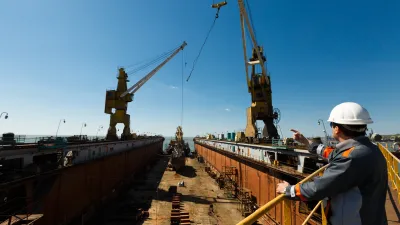 Naval ArchitectA naval architect is responsible for the design, construction and maintenance of vessels used in offshore wind operations.
-
 SCADA EngineerA SCADA engineer is responsible for the design, implementation and maintenance of supervisory control and data acquisition systems used to monitor and control offshore wind farms.
-
Structural EngineerA structural engineer is responsible for designing and analysing structures used in offshore wind projects, ensuring they can withstand environmental and operational loads.
-
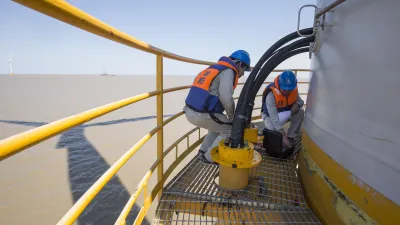 Wind Turbine TechnicianA wind turbine technician is responsible for installing, maintaining and repairing wind turbines to ensure they operate efficiently and safely.
-
Real-life success storiesExplore to learn more about working in Offshore Wind.